

• āĻŦ⧁āϧāĻŦāĻžāϰ, ⧍⧍ āϜ⧁āϞāĻžāχ ⧍ā§Ļ⧍ā§Ŧ, ā§Ļ⧍:⧧⧝
āϏāĻ°ā§āĻŦāĻļ⧇āώ :
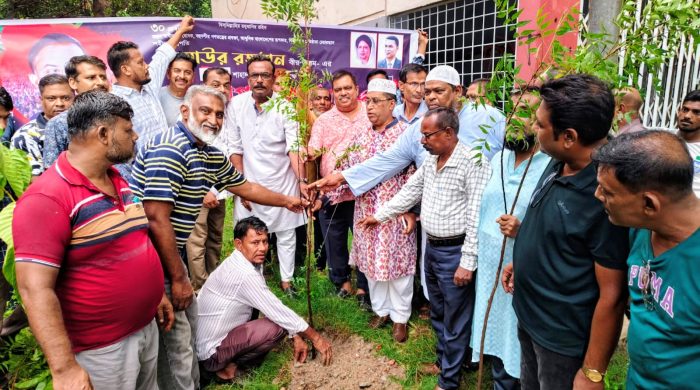
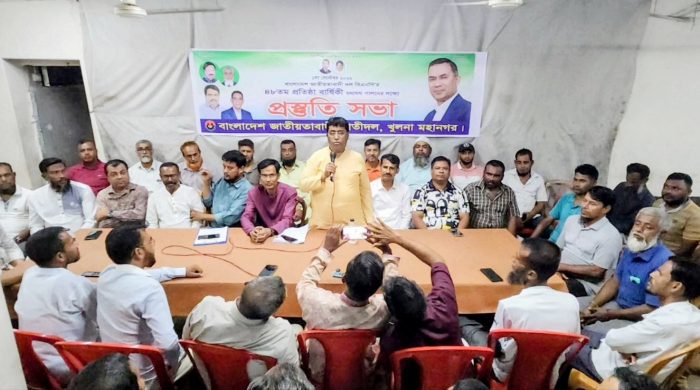
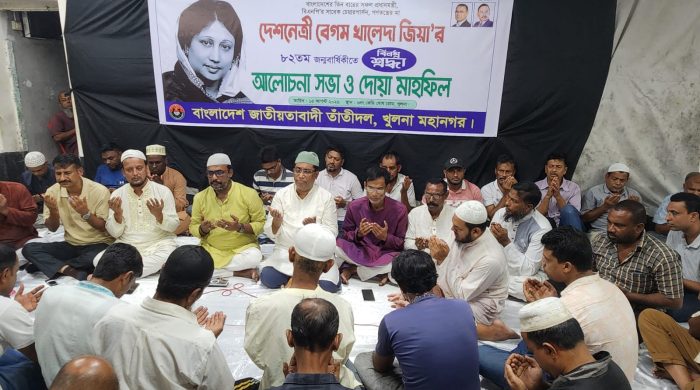
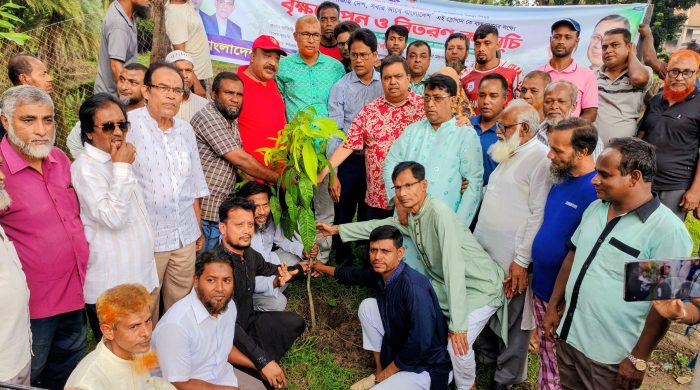
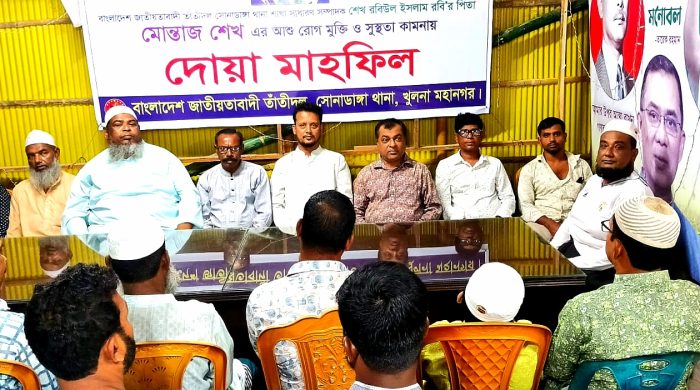
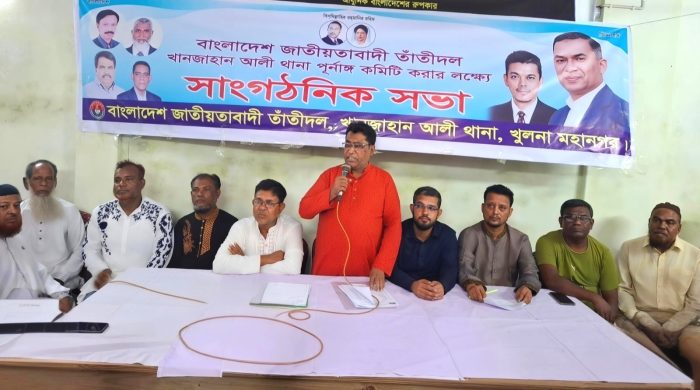
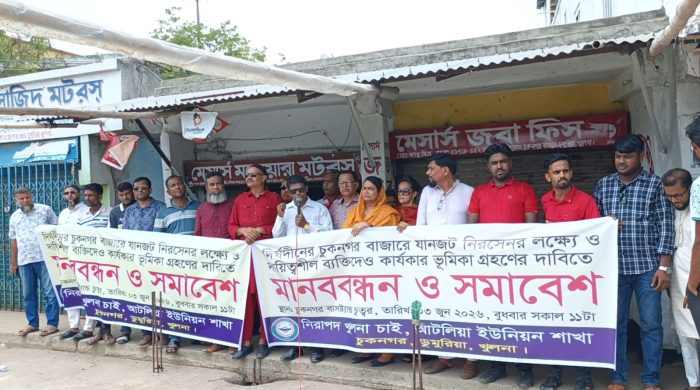
āĻŦāĻžāĻ‚āϞāĻžāĻĻ⧇āĻļ āϜāĻžāϤ⧀āϝāĻŧāϤāĻžāĻŦāĻžāĻĻā§€ āϤāĻžāρāϤ⧀āĻĻāϞ⧇āϰ āϖ⧁āϞāύāĻž āĻŽāĻšāĻžāύāĻ—āϰ⧇āϰ āĻ…āĻ¨ā§āϤāĻ°ā§āĻ—āϤ āĻ–āĻžāύāϜāĻžāĻšāĻžāύ āφāϞ⧀ āĻĨāĻžāύāĻžāϰ āĻ•āĻŽāĻŋāϟāĻŋ āĻ—āĻ āύ āĻŦāĻžāϜāĻžāϰ āĻ•āĻŽāĻŋāϟāĻŋāϰ āύāĻŦ-āύāĻŋāĻ°ā§āĻŦāĻžāϚāĻŋāϤ āϏāĻžāϧāĻžāϰāĻŖ āϏāĻŽā§āĻĒāĻžāĻĻāĻ• āϕ⧇ āϖ⧁āϞāύāĻž āĻœā§‡āϞāĻž āϤāĻžāρāϤ⧀ āĻĻāϞ⧇āϰ āĻĒāĻ•ā§āώ āĻĨ⧇āϕ⧇ āĻļ⧁āϭ⧇āĻšā§āĻ›āĻž āĻœā§āĻžāĻžāĻĒāύāĨ¤ āύāĻžāϰ⧀ āĻĒāĻžāϚāĻžāϰāĻ•āĻžāϰ⧀āϰ āύāϤ⧁āύ āĻĢāĻžāρāĻĻāĨ¤ āĻļāĻšā§€āĻĻ āĻĒā§āϰ⧇āϏāĻŋāĻĄā§‡āĻ¨ā§āϟ āϜāĻŋ⧟āĻžāωāϰ āϰāĻšāĻŽāĻžāύ (āĻŦā§€āϰ āωāĻ¤ā§āϤāĻŽ) āĻāϰ ā§Ēā§Ģ āϤāĻŽ āĻļāĻžāĻšāĻžāĻĻāĻžā§Ž āĻŦāĻžāĻ°ā§āώāĻŋāϕ⧀ āωāĻĒāϞāĻ•ā§āĻˇā§āϝ⧇ āϖ⧁āϞāύāĻž āĻŽāĻšāĻžāύāĻ—āϰ āϤāĻžāρāϤ⧀āĻĻāϞ⧇āϰ āωāĻĻā§āϝ⧋āϗ⧇ ‘āĻŦ⧃āĻ•ā§āώāϰ⧋āĻĒāĻŖ” āĻ•āĻ°ā§āĻŽāϏ⧂āϚāĻŋ āĻ…āύ⧁āĻˇā§āĻ āĻŋāϤ āϚ⧁āĻ•āύāĻ—āϰ⧇ āĻ…āϏāĻšāĻ¨ā§€ā§Ÿ āϝāĻžāύāϜāϟ āύāĻŋāϰāϏāύ āĻ“ āφāχāύāĻļ⧃āĻ™ā§āĻ–āϞāĻž āĻĒāϰāĻŋāĻ¸ā§āĻĨāĻŋāϤāĻŋāϰ āωāĻ¨ā§āύāϤāĻŋāϰ āĻĻāĻžāĻŦāĻŋāϤ⧇ āϏ⧋āĻšā§āϚāĻžāϰ ‘āύāĻŋāϰāĻžāĻĒāĻĻ āϖ⧁āϞāύāĻž āϚāĻžāĻ‡â€™ āĻŦāĻŋāĻāύāĻĒāĻŋ’āϰ āĻĒā§āϰāϤāĻŋāĻˇā§āĻ āĻžāϤāĻž, āĻļāĻšā§€āĻĻ āĻĒā§āϰ⧇āϏāĻŋāĻĄā§‡āĻ¨ā§āϟ āϜāĻŋ⧟āĻžāωāϰ āϰāĻšāĻŽāĻžāύ (āĻŦā§€āϰ āωāĻ¤ā§āϤāĻŽ) āĻāϰ ā§Ēā§Ģ āϤāĻŽ āĻļāĻžāĻšāĻžāĻĻāĻžāϤ āĻŦāĻžāĻ°ā§āώāĻŋāϕ⧀āϤ⧇ āϖ⧁āϞāύāĻž āĻŽāĻšāĻžāύāĻ—āϰ āϤāĻžāρāϤ⧀āĻĻāϞ⧇āϰ āωāĻĻā§āϝ⧋āϗ⧇ āĻĻā§‹ā§ŸāĻž āĻŽāĻžāĻšāĻĢāĻŋāϞ āĻ“ āϤ⧃āĻˇā§āĻŖāĻžāĻ°ā§āϤāĻĻ⧇āϰ āĻŽāĻžāĻā§‡ āĻŦāĻŋāĻļ⧁āĻĻā§āϧ āĻ–āĻžāĻŦāĻžāϰ āĻĒāĻžāύāĻŋ āĻ“ āĻ¸ā§āϝāĻžāϞāĻžāχāύ āĻŦāĻŋāϤāϰāύ āĻ–āĻžāϞāĻŋāĻļāĻĒ⧁āϰ āĻĨāĻžāύāĻž āϤāĻžāρāϤ⧀āĻĻāϞ⧇āϰ āωāĻĻā§āϝ⧋āϗ⧇ āĻŽāϰāĻšā§āĻŽ āϏ⧋āύāĻž āĻŽāĻŋāϝāĻŧāĻžāϰ āĻĒāϰāĻŋāĻŦāĻžāϰāϕ⧇ āφāĻ°ā§āĻĨāĻŋāĻ• āϏāĻšāĻžāϝāĻŧāϤāĻž āĻĒā§āϰāĻĻāĻžāύ āφāĻ¨ā§āϤāĻ°ā§āϜāĻžāϤāĻŋāĻ• āĻŽā§‡ āĻĻāĻŋāĻŦāϏ āωāĻĒāϞāĻ•ā§āώ⧇ āĻ–āĻžāϞāĻŋāĻļāĻĒ⧁āϰ āĻĨāĻžāύāĻž āχāĻžā§āϜāĻŋāύāĻŋāϝāĻŧāĻžāϰāĻŋāĻ‚ āĻ“āϝāĻŧāĻžāĻ°ā§āĻ•āĻļāĻĒ āĻļā§āϰāĻŽāĻŋāĻ• āχāωāύāĻŋāϝāĻŧāύ⧇āϰ āωāĻĻā§āϝ⧋āϗ⧇ āĻŦāĻ°ā§āĻŖāĻžāĻĸā§āϝ āĻ°â€ā§āϝāĻžāϞāĻŋ āĻ“ āĻļā§āϰāĻŽāĻŋāĻ• āϏāĻŽāĻžāĻŦ⧇āĻļāĨ¤ āφāĻŦāĻžāϰ⧋ āϤ⧀āĻŦā§āϰ āĻŦāĻœā§āϰāĻĒāĻžāϤ āϏāĻš āĻ­āĻžāϰ⧀ āĻŦāĻ°ā§āώāύ⧇āϰ āϏāϤāĻ°ā§āĻ•āϤāĻž!! āĻŦāĻžāĻ‚āϞāĻžāĻĻ⧇āĻļ āϜāĻžāĻ¤ā§€ā§ŸāϤāĻžāĻŦāĻžāĻĻā§€ āϤāĻžāρāϤ⧀ āĻĻāϞ āĻ–āĻžāϞāĻŋāĻļāĻĒ⧁āϰ āĻĨāĻžāύāĻž āĻļāĻžāĻ–āĻžāϰ āωāĻĻā§āϝ⧋āϗ⧇ ā§§ā§Ļ āύāĻ‚ āĻ“ā§ŸāĻžāĻ°ā§āĻĄ āϤāĻžāρāϤ⧀ āĻĻāϞ āϏāĻ­āĻžāĻĒāϤāĻŋ āϏ⧋āύāĻž āĻŽāĻŋ⧟āĻž āϏāϰāĻĻāĻžāϰ āĻāϰ āϖ⧁āύ⧀āĻĻ⧇āϰ āĻ—ā§āϰ⧇āĻĢāϤāĻžāϰ āĻ“ āĻŦāĻŋāϚāĻžāϰ⧇āϰ āĻĻāĻžāĻŦā§€āϤ⧇ āĻ–āĻžāϞāĻŋāĻļāĻĒ⧁āϰ āĻĨāĻžāύāĻž āϤāĻžāρāϤ⧀ āĻĻāϞ⧇āϰ āĻŦāĻŋāĻ•ā§āώ⧋āĻ­ āϏāĻŽāĻžāĻŦ⧇āĻļ āĻ…āύ⧁āĻˇā§āĻ āĻŋāϤ

Sober Activities to Do in NYC Instead of Drinking

āĻĒā§āϰāϤāĻŋāύāĻŋāϧāĻŋ: / ⧍ā§Ŧā§Š āĻĻ⧇āϖ⧇āϛ⧇āύ:
āĻĒāĻžāĻŦāϞāĻŋāĻļ: āĻŽāĻ™ā§āĻ—āϞāĻŦāĻžāϰ, ā§§ā§Ž āĻāĻĒā§āϰāĻŋāϞ, ⧍ā§Ļā§¨ā§Š

professionsls staying sober without aa

It can provide a safe space to explore underlying issues that may contribute to addiction and develop coping strategies. Self-help techniques for staying sober without AA include mindfulness practices, exercise, healthy eating, journaling, and finding new hobbies. It’s important to find healthy ways to cope with stress and triggers that may lead to relapse.

Avoiding Triggers and Temptations

This can help you focus on something positive instead of turning to alcohol. This may include therapy, medication-assisted treatment, or holistic approaches such as yoga and meditation. Additionally, some people may find AA’s group dynamics or principles too rigid or dogmatic. Whatever getting sober without aa the reason, it is important to know that there are many other options available that can provide the necessary support and guidance to achieve and maintain Sobriety. There are many alternatives to AA that can help individuals overcome addiction and maintain long-term Sobriety.

What to Expect in a Sober Living Program

Many of the activities that make for a healthy routine are also effective for relapse prevention. Actions that focus on mindfulness will make it easier to work through cravings and moments of temptation. Routines also impart discipline and self-restraint which https://ecosoberhouse.com/article/5-stages-of-alcoholism/ is a particularly valuable skill recovering addicts will need to relearn. Online resources, such as podcasts and blogs, can also provide support and inspiration. It requires dedication, commitment, and a willingness to seek out alternative methods of support.

  • This can help you move forward more quickly, and makes it easier to focus on behavior change or establishing new habits.
  • Recovery from alcohol or drug addiction is a personal journey, and no two people’s paths will look similar.
  • Virtual support networks, forums, and social media groups cater to those who prefer online connections.
  • Once you do return to work, it’s important to create a budget and take steps to safeguard yourself as work stress can be a relapse trigger.

Alcoholics Anonymous works for some people. A new study suggests the alternatives do too.

Kali Lux is a consumer marketing leader with a focus on healthcare and wellness. She has over a decade of experience in building and operating metrics-driven brand, demand generation, and customer experience teams. Nevertheless, many people in the rooms end up “white-knucking” their way through sobriety, especially in the early stages.
professionsls staying sober without aa

professionsls staying sober without aa

Learn to Say “No” Politely

Individual Therapy

professionsls staying sober without aa

Treatment Approaches and Programs

  • Understanding the risks of drugs/alcohol can be a powerful motivator to stay sober.
  • A licensed clinician uses this criteria—and more—to determine the likelihood and severity of a substance use disorder and formulate a treatment plan.
  • Avoiding sugary and processed foods can help prevent mood swings and cravings.
  • The most impactful and beneficial aspect of Alcoholics Anonymous or a drug program is the community.
  • Confide in those closest to you and allow them to be your sounding board for your triumphs and failures.


āĻāχ āĻŦāĻŋāĻ­āĻžāϗ⧇āϰ āφāϰ⧋ āĻ–āĻŦāϰ
https://www.kaabait.com